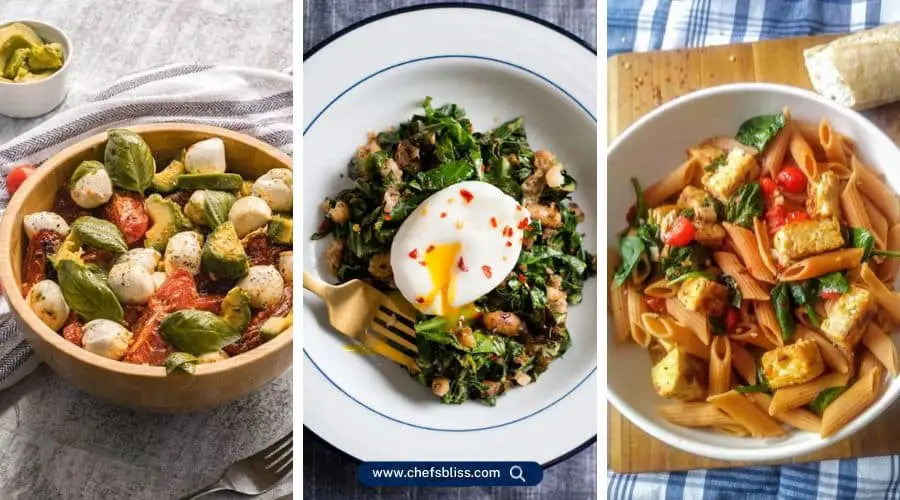
Embracing Delicious and Nutritious Vegetarian Low-Calorie Lunches
Lunchtime often feels like a rush, a scramble to grab something quick that might not align with your health goals. However, with a little planning, your midday meal can be a vibrant, satisfying, and incredibly effective tool for weight management and sustained energy. Focusing on
vegetarian low-calorie lunches is a fantastic strategy, offering a wealth of delicious, nutrient-dense options that keep you full without weighing you down. This article will guide you through the principles, ingredients, and mouth-watering ideas to transform your lunch break into a healthy culinary delight.
Opting for vegetarian low-calorie lunches isn't just about cutting calories; it's about maximizing nutrient intake. Plant-based foods are naturally rich in fiber, vitamins, minerals, and antioxidants, which are crucial for overall health, digestion, and satiety. By making smart choices, you can enjoy fulfilling meals that support your wellness journey, whether your goal is weight loss, improved energy, or simply a healthier lifestyle.
The Strategic Advantage of Plant-Based Lunches for Calorie Control
Choosing vegetarian options for your low-calorie lunch offers several distinct advantages beyond just avoiding meat. Plant-based meals often have a lower caloric density, meaning you can eat a larger volume of food for fewer calories, thanks to their high fiber and water content. This is a game-changer for satiety.
*
High Fiber Content: Vegetables, fruits, legumes, and whole grains are packed with fiber. Fiber slows digestion, helping you feel fuller for longer and preventing those afternoon energy crashes and cravings for unhealthy snacks.
*
Nutrient Density: Many vegetarian staples are powerhouses of nutrition. Think leafy greens, colourful bell peppers, lentils, and quinoa, all offering essential vitamins and minerals without a hefty calorie count.
*
Reduced Saturated Fat: Plant-based diets are typically lower in saturated fat, contributing to better heart health and often making it easier to manage overall calorie intake.
*
Versatility and Flavor: The sheer variety of vegetables, grains, and legumes available means you're never short of exciting flavours and textures. This makes eating healthy an enjoyable exploration rather than a restrictive chore.
Embracing
vegetarian low-calorie lunches can be a delicious adventure that leaves you feeling energized, not deprived. It's about smart swaps and creative combinations that satisfy both your palate and your body's needs.
Building Blocks for Your Perfect Low-Calorie Vegetarian Lunch
Crafting a balanced, low-calorie vegetarian lunch involves understanding the key components that contribute to both nutrition and satiety. Think of these as your essential toolkit.
1. Protein Powerhouses
Protein is vital for feeling full and maintaining muscle mass. For vegetarian meals, there are abundant plant-based sources that are both delicious and effective.
- Legumes: Lentils, chickpeas, black beans, kidney beans, and edamame are fantastic sources of protein and fiber. A serving of lentils can provide a significant portion of your daily protein needs.
- Tofu and Tempeh: These soy-based products are incredibly versatile. Tofu can absorb flavors beautifully, while tempeh offers a firmer, nuttier texture. They are excellent in stir-fries, salads, or baked.
- Quinoa: This ancient grain is a complete protein, meaning it contains all nine essential amino acids. It’s also rich in fiber and cooks quickly, making it ideal for meal prep.
- Nuts and Seeds: A small handful of almonds, walnuts, chia seeds, or flax seeds can boost protein and healthy fats, but use sparingly due to their higher calorie density.
- Greek Yogurt (Dairy Option): If you're lacto-vegetarian, plain, non-fat Greek yogurt is an excellent high-protein, low-calorie choice for dressings or as a side.
2. Fiber-Rich Vegetables
Vegetables are the cornerstone of any low-calorie meal. They provide volume, essential nutrients, and fiber without adding many calories.
- Leafy Greens: Spinach, kale, romaine lettuce, and mixed greens should form the base of many of your lunches. They are extremely low in calories and packed with vitamins.
- Cruciferous Vegetables: Broccoli, cauliflower, Brussels sprouts, and cabbage offer fantastic texture and a host of health benefits. Roast them, steam them, or add them raw to salads.
- Colorful Vegetables: Bell peppers (all colors), cucumbers, carrots, tomatoes, and zucchini add visual appeal, hydration, and a variety of nutrients.
3. Healthy Grains and Smart Carbs
While keeping calories low, don't shy away from complex carbohydrates entirely. In moderation, they provide sustained energy.
- Whole Grains: Besides quinoa, consider small portions of farro, bulgur, or even whole-wheat pasta or brown rice.
- Sweet Potatoes: A nutrient-dense option that offers complex carbs and a touch of natural sweetness. Baked or roasted, they make a great addition to a bowl.
4. Flavorful, Healthy Fats (in moderation)
Healthy fats are important for satiety and nutrient absorption, but they are calorie-dense, so portion control is key.
- Avocado: A quarter to half an avocado can add creaminess and healthy monounsaturated fats.
- Olive Oil: Use sparingly for dressings or cooking. A tablespoon is about 120 calories.
- Nuts and Seeds: As mentioned for protein, they also provide healthy fats.
Delicious & Easy Vegetarian Low-Calorie Lunch Ideas
Now that you know the building blocks, let's explore some inspiring
vegetarian low-calorie lunches that are both simple to prepare and incredibly tasty.
1. The Ultimate Buddha Bowl
Create a vibrant Buddha bowl by combining a base of mixed greens or quinoa, a serving of roasted vegetables (like broccoli, bell peppers, and zucchini), a protein source (such as baked tofu, tempeh, or chickpeas), and a drizzle of a light, homemade dressing (lemon juice, tahini, and water or a light vinaigrette). Add a sprinkle of sesame seeds for crunch. This is highly customizable and perfect for using up whatever veggies you have on hand.
2. Hearty Lentil or Vegetable Soup
A broth-based lentil or mixed vegetable soup can be incredibly filling and low in calories. Load it with carrots, celery, spinach, zucchini, and your choice of herbs and spices. Lentils add essential protein and fiber, making it a complete meal. Prepare a large batch on Sunday and enjoy it throughout the week. For more ideas on how to keep your plant-based meals exciting and calorie-conscious, explore this article:
vegetarian low calorie lunches - Article 2.
3. Mediterranean Chickpea Salad Wraps/Pitas
Mash chickpeas with a fork and mix with diced cucumber, tomatoes, red onion, fresh parsley, a squeeze of lemon juice, and a touch of Greek yogurt or a light tahini dressing. Season with salt, pepper, and oregano. Serve this delicious mix in whole-wheat pita pockets or large lettuce cups for a crunchy, refreshing, and protein-packed lunch.
4. Quinoa and Roasted Vegetable Salad
Cooked quinoa mixed with a colourful array of roasted vegetables (think asparagus, cherry tomatoes, and mushrooms), fresh basil, and a light balsamic vinaigrette makes for an elegant and satisfying lunch. The quinoa provides a complete protein, while the vegetables ensure you're getting ample fiber and nutrients.
5. Tofu Scramble with Spinach and Bell Peppers
For a warm and comforting option, a tofu scramble can be packed with flavour and nutrients. Crumble firm tofu and sauté it with finely diced bell peppers, spinach, onions, and turmeric for color. Season with nutritional yeast for a cheesy flavour and a dash of black salt for an "eggy" taste. Enjoy it on its own or wrapped in a whole-wheat tortilla.
Tips for Meal Prepping and Maximizing Satisfaction
To ensure you stick to your goal of consuming
vegetarian low-calorie lunches, preparation is key.
*
Batch Cook Grains and Legumes: Cook a large batch of quinoa, lentils, or chickpeas at the start of the week. This saves significant time during busy lunch hours.
*
Chop Veggies Ahead: Wash and chop your favourite vegetables (carrots, bell peppers, cucumbers) so they're ready to grab for salads, stir-fries, or as snack additions.
*
Pre-portion Meals: Use containers to portion out your lunches for the week. This makes grabbing a healthy meal effortless and helps with portion control.
*
Master Your Dressings: Store-bought dressings can be surprisingly high in calories and unhealthy fats. Learn to make your own light vinaigrettes or lemon-tahini dressings to control ingredients.
*
Hydrate, Hydrate, Hydrate: Sometimes, thirst can be mistaken for hunger. Drink a large glass of water before your meal and sip throughout the day to stay hydrated and aid digestion.
*
Embrace Herbs and Spices: Flavor is crucial for satisfaction. Use fresh herbs (cilantro, parsley, mint) and a variety of spices to add depth and excitement to your meals without adding calories.
*
Listen to Your Body: Pay attention to your hunger cues. Eat slowly and mindfully, allowing your body to register fullness. This helps prevent overeating and enhances the enjoyment of your meal. If you're looking for more advanced strategies for sustained energy and health through plant-based meals, be sure to check out
vegetarian low calorie lunches - Article 3.
Conclusion
Embracing
vegetarian low-calorie lunches is a powerful step towards achieving your health and wellness goals. By focusing on nutrient-dense ingredients like legumes, vegetables, and whole grains, you can create satisfying, flavourful, and incredibly healthy meals that keep you energized throughout the afternoon. With a bit of planning and creativity, your midday meal can become a highlight of your day, proving that eating well doesn't mean sacrificing taste or satisfaction. Start experimenting with these ideas and discover the endless possibilities of plant-based eating!